- Mon - Sat: 8.00 - 18.00
- +971 50 4726492
- +971 50 4630049
- 24/7 Hours Services available

What’s In Your Drinking Water?
As a business leader, the well-being of your employees should be a top priority. By law, every business is required to provide drinking water in the workplace. However, not all water sources are created equal. Traditional options such as tap water, bottled water, and water coolers come with drawbacks that can impact your employee’s health, productivity, and business costs.
Pros & Cons of Workplace Water Sources:
A growing number of businesses are turning to bottle less drinking water systems for their advanced filtration capabilities, providing purified, healthy, and unlimited drinking water. In this article, we’ll explore the pros and cons of common workplace water sources and why bottle less systems are becoming the preferred drinking solution for many workplaces.

Tap Water:
Pros: Readily available; low cost.
Cons: Potential contamination with lead, chlorine, and bacteria; taste and odor issues; inconsistent water quality based on municipal supply.
Check Your Local Tap Water Quality: The EWG Tap Water Database provides insights into pollutants in local water resources.
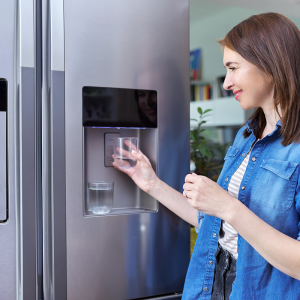
Refrigerator Water Dispensers:
Pros: Convenient; chilled water option.
Cons: Requires frequent filter changes; filters may not remove harmful contaminants; limited access in large workplaces; high maintenance costs.
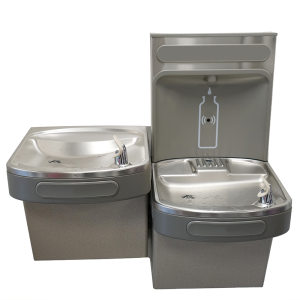
Water Fountains:
Pros: No additional cost after installation.
Cons: Often unfiltered; risk of bacterial contamination; poor reputation due to hygiene concerns. Fact: A study found that public water fountains contain more bacteria than toilet seats. Source: National Sanitation Foundation
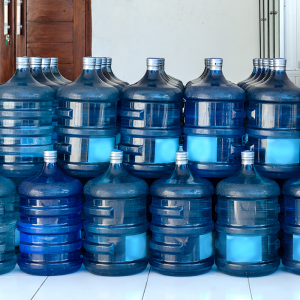
5-Gallon Water Jugs:
Pros: Filtered water option; commonly found in workplaces.
Cons: Expensive variable cost; risk of injury or spills when replacing jugs; exposure to microplastics; large storage space required.
Fact: A full water jug weights approximately 45 pounds which is similar to lifting a car tire and rim, half a bag of cement, 4 gallons of paint, or a 6-year-old child.
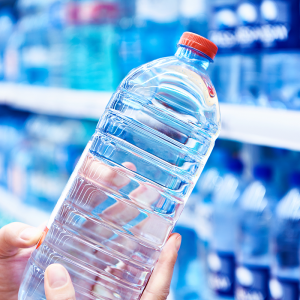
Plastic Water Bottles:
Pros: Portable and convenient.
Cons: Costly over time; consumption of microplastics; plastic waste; storage issues; sun exposure concerns.
Fact: Studies show that people ingest 5 grams of plastic per week, which is equivalent to one credit card.
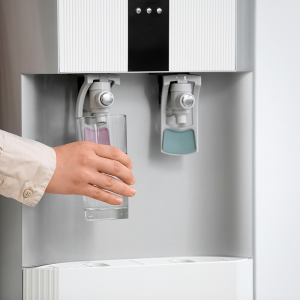
Single-Filter Cooler:
Pros: Reduces some contaminants; unlimited water
(plumbing connection).
Cons: Limited filtration does not remove lead, PFAs, or other harmful contaminants; requires frequent filter changes and regular cleaning.
Fact: The CDC states that only advanced filtration systems can remove microplastics, lead, pipe rust and PFAS effectively.
When selecting a system, consider the following:
Filtration Technology: opt for multi-stage filtration that removes bacteria, viruses, heavy metals, chemicals and adds back important nutrients for optimal hydration.
Output Options: Consider hot, cold and room temperature water with ice and sparkling water options.
Capacity & Usage: Ensure the water cooler meets the daily water needs of your workforce.
Ease of Maintenance: Look for a system with ATS or self-cleaning technology and long-lasting filters.
Local Service: Prioritize local service with proven support capabilities.
Certifications: Choose products certified by NSF, WQA, or the EPA for verified water quality.
The quality of your workplace drinking water impacts employee health, productivity, and sustainability efforts. While traditional water sources have limitations, a bottle less drinking water system provides the cleanest, safest, and most cost-effective solution for your workplace. By making the switch to bottle less, you’re investing in a healthier workplace while saving money and reducing environmental waste. Your employees, and your bottom line, will thank you. Call +971-50 4630049