Purpose and Benefits of a Water Softener System
Purpose:
A water softener system is primarily designed to treat hard water, which contains high levels of calcium and magnesium ions. The core purpose of a water softener is to remove these hardness-causing minerals through an ion-exchange process. This treatment helps prevent various issues associated with hard water and enhances overall water quality.
Benefits:
- Prevents Scale Buildup:
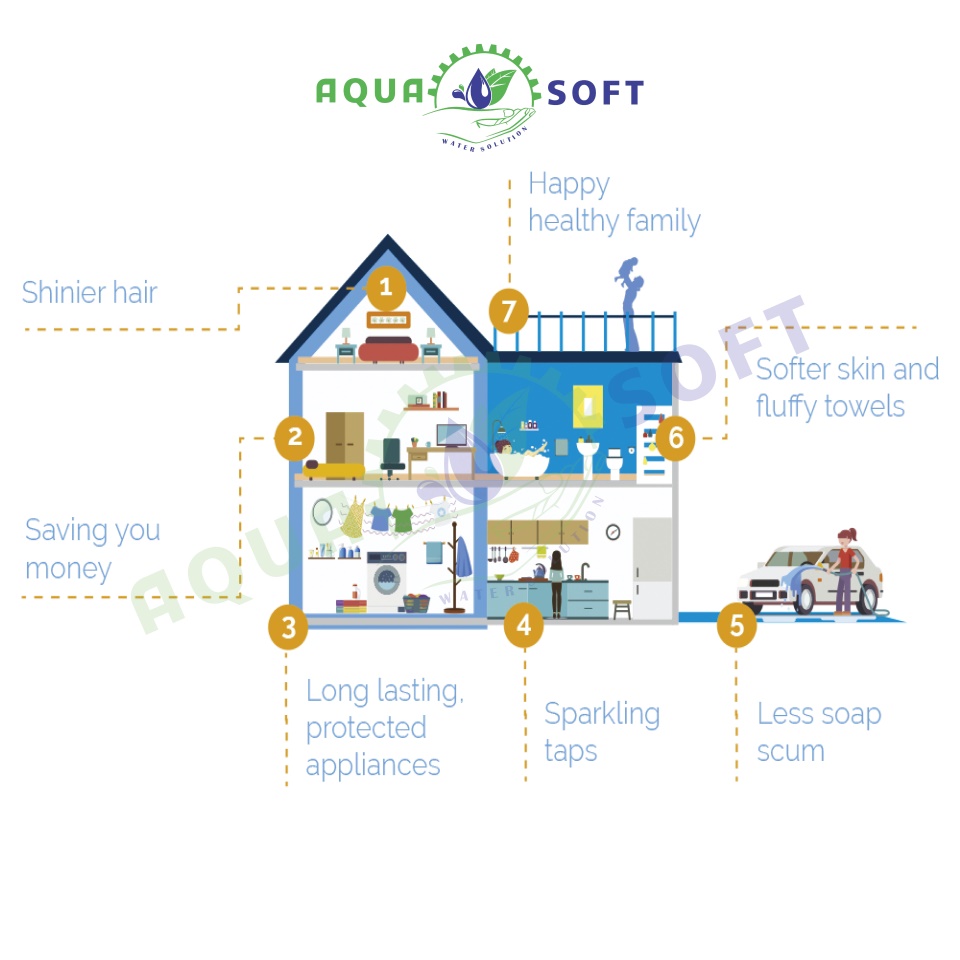
- Appliances: Reduces scale buildup in appliances such as dishwashers, water heaters, and coffee makers, which can extend their lifespan and improve efficiency.
- Plumbing: Minimizes the formation of scale deposits in pipes and fixtures, reducing the risk of clogs and maintaining optimal water flow.
- Improves Appliance Efficiency:
- Energy Savings: Softened water helps appliances operate more efficiently by reducing the amount of energy required to heat water and preventing scale buildup on heating elements.
- Enhances Soap and Detergent Performance:
- Reduced Soap Usage: Softened water allows soaps and detergents to lather better, reducing the amount needed for effective cleaning.
- Cleaner Dishes and Laundry: Results in cleaner dishes, glassware, and laundry by preventing soap scum and mineral deposits.
- Extends the Lifespan of Plumbing and Fixtures:
- Protects Pipes and Fixtures: Softened water prevents the accumulation of scale and mineral deposits, which can lead to damage and reduced performance of plumbing fixtures and appliances.
- Improves Skin and Hair Feel:
- Softened Water: Reduces dryness and irritation that can be caused by hard water, leading to softer skin and smoother hair after washing.
- Prevents Water Spotting:
- On Surfaces: Softened water reduces water spots and mineral streaks on dishes, glassware, and bathroom surfaces, making cleaning easier and less frequent.
- Enhances Overall Water Quality:
- Taste and Smell: Softened water can improve the taste and smell of water, especially if combined with a filtration system to address other contaminants.
- Cost Savings:
- Reduced Maintenance Costs: Lower maintenance and repair costs for appliances and plumbing systems due to less scale buildup and mineral damage.
- Energy Efficiency: Decreased energy consumption in water heaters and other appliances due to improved efficiency.
- Environmental Benefits:
- Reduced Chemical Usage: Less soap and detergent needed means fewer chemicals are washed into the environment.
- Efficient Energy Use: Improved appliance efficiency leads to lower energy consumption.
By addressing the issues associated with hard water, a water softener system helps improve the overall quality of water, leading to better performance of household appliances, enhanced personal comfort, and potential cost savings.
What is a Water Softener?
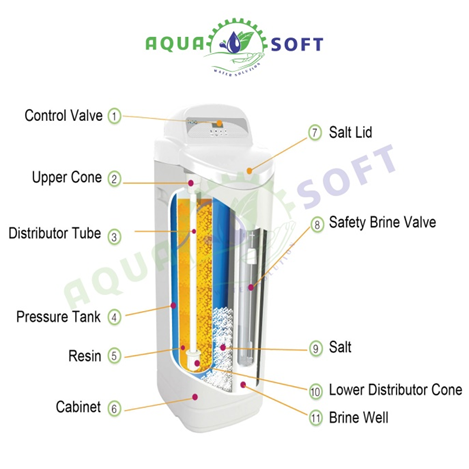
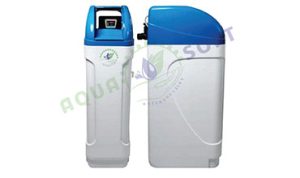
A water softener is made up of three main components:
- Control Valve– determines when regeneration is necessary, the direction of water flow and the amount of time spent in each cycle
- Pressure Tank– holds the resin that exchanges sodium for hardness minerals and is under water line pressure
- Salt Tank or Cabinet– holds the salt that makes the brine solution used to regenerate the softening resin
A water softener system is designed to remove hardness-causing minerals, such as calcium and magnesium, from water. Here are typical specifications and features you might find in a water softener system:
- Capacity and Flow Rate
- Capacity: Measured in grains, gallons, or liters, indicating the amount of hardness the system can handle before regeneration is needed. Common capacities range from 20,000 to 80,000 grains.
- Flow Rate: The maximum amount of water the system can process per minute or hour. Flow rates vary based on household size and water usage, typically ranging from 4 to 20 gallons per minute (GPM).
- Type of System
- Salt-Based Softeners: Utilize salt or potassium to regenerate the resin beads. They are the most common and effective for removing hardness.
- Salt-Free Softeners: Use alternative technologies such as template-assisted crystallization or other methods to prevent scale buildup rather than removing hardness.
- Resin Tank
- Material: Usually made from durable, corrosion-resistant materials like fiberglass or high-density polyethylene (HDPE).
- Resin Type: Contains ion-exchange resin beads that attract and remove hardness minerals from the water.
- Brine Tank
- Capacity: Varies depending on the system size, typically ranging from 100 to 500 pounds of salt.
- Material: Generally made from plastic or fiberglass.
- Features: May include an automatic float valve to prevent overflow and ensure proper salt levels.
- Control Valve
- Type: Can be manual, semi-automatic, or fully automatic. Automatic valves are the most common, managing regeneration cycles based on water usage and hardness levels.
- Regeneration Cycle: Determines how often and when the system regenerates. Can be based on time, volume of water treated, or a combination of both.
- Bypass Valve
- Function: Allows you to bypass the softener when needed, such as during maintenance or if softened water is not required.
- Installation Requirements
- Connection Size: Typically comes with inlet and outlet ports in standard sizes like 1″ or 1.5″.
- Space Requirements: Requires sufficient space for the resin tank and brine tank, as well as access to a drain for discharge during regeneration.
- Dimensions
- Size: Varies based on system capacity, but typical dimensions for residential systems might be around 10-15 inches in diameter and 40-60 inches in height.
- Efficiency
- Salt Efficiency: Measures how much salt is used per regeneration cycle. Higher efficiency models use less salt to achieve the same level of hardness removal.
- Water Usage: Measures how much water is used during regeneration. More efficient systems use less water.
- Additional Features
- Smart Technology: Some modern systems come with digital controls and Wi-Fi connectivity for remote monitoring and adjustments.
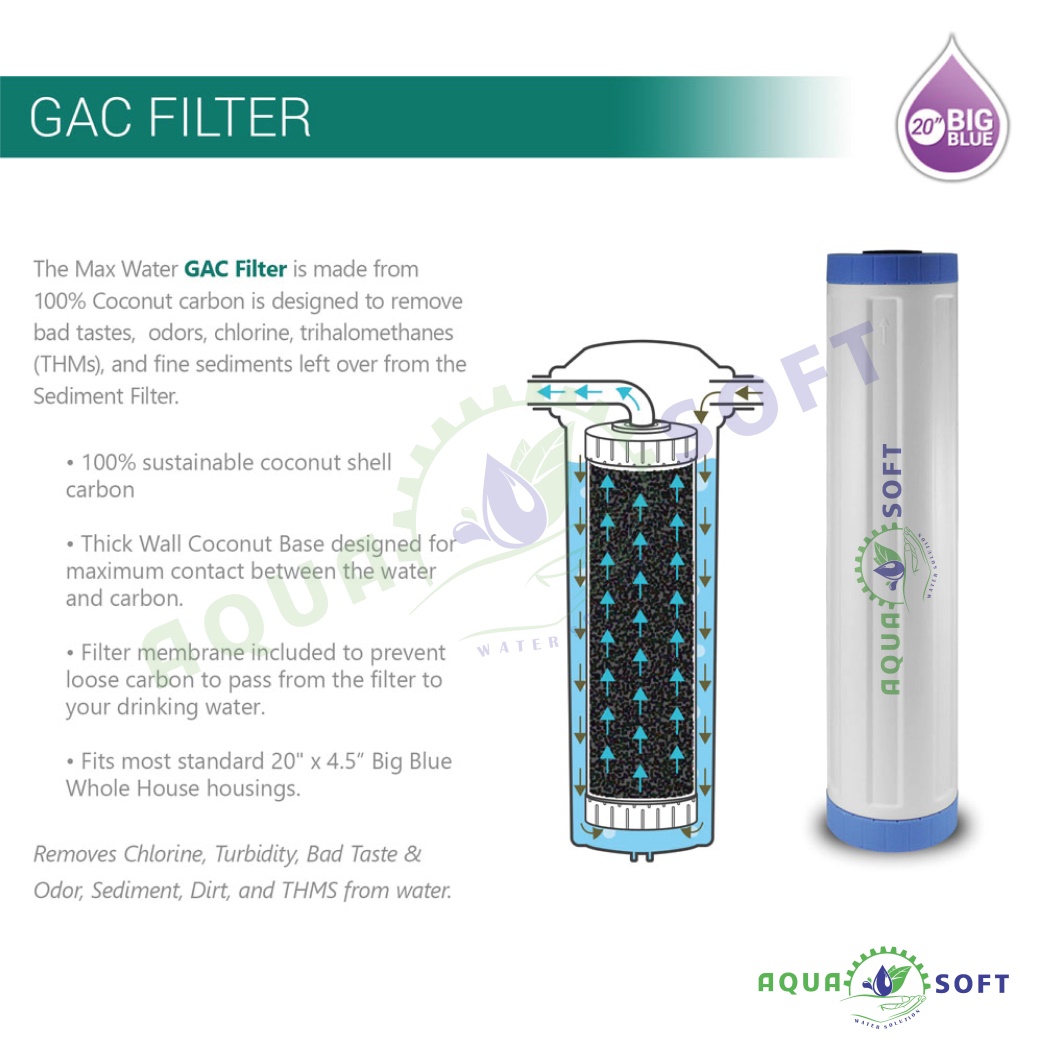
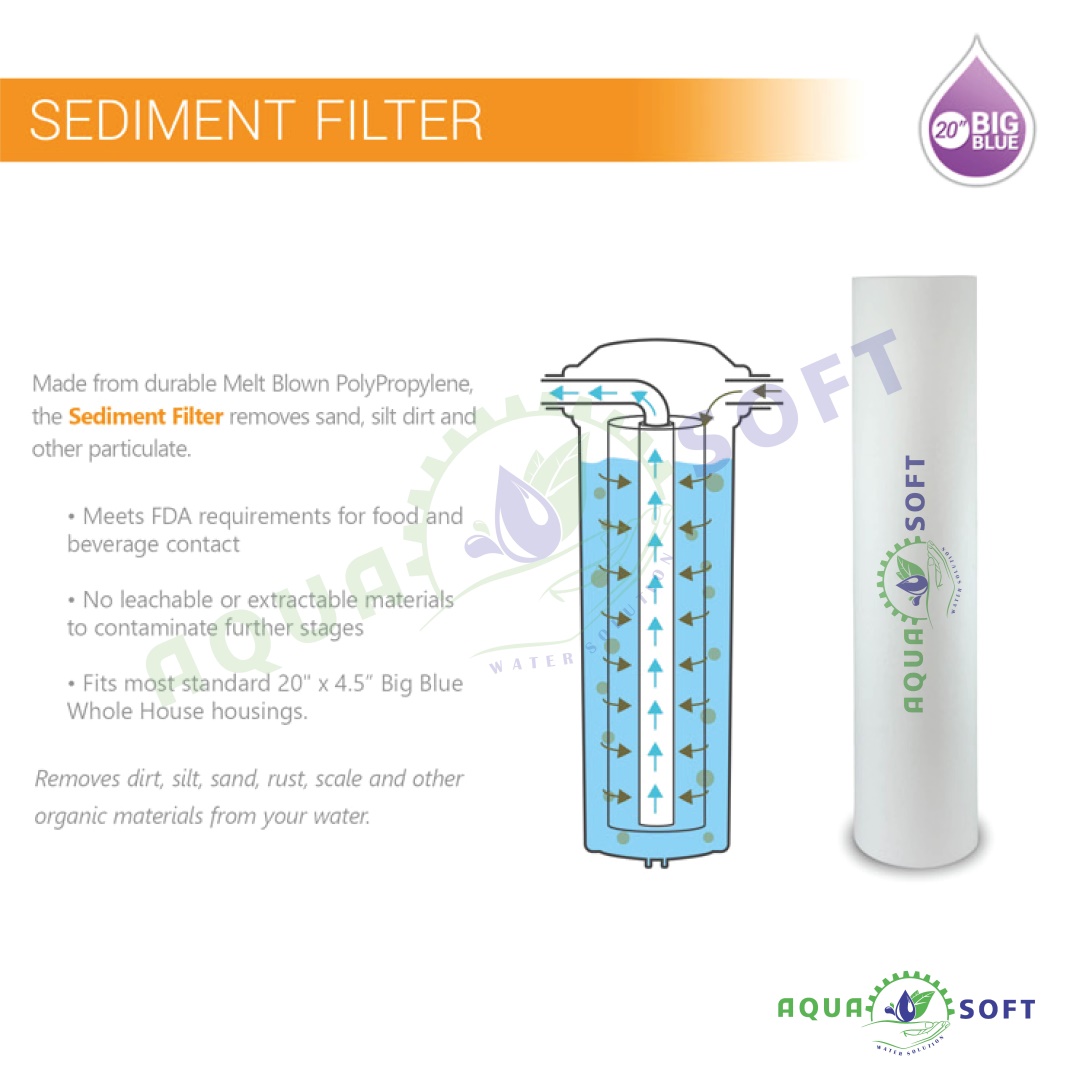
- Built-In Filter: Some systems include additional filtration stages to remove sediment or chlorine.
- Durability: Made from high-quality, corrosion-resistant materials to ensure long-term reliability.
- Warranty and Support
- Warranty: Typically includes a warranty period for the tank, control valve, and resin, ranging from 1 to 5 years.
- Customer Support: Access to customer service and technical support for installation and troubleshooting.
- +971-50 4630049 = 24/7 Call about it
- Maintenance Requirements
- Salt or Potassium Refill: Regular refilling of the brine tank with salt or potassium.
- Resin Replacement: Resin beads may need replacement every 2 years depending on water quality and usage.
These specifications help ensure that a water softener system is effective, efficient, and suited to your specific needs for treating hard water.
We Offer
- 1 Year Machine Warranty for all parts
- 1 Year Free Service with Pree Filter Free Change
- Free Delivery & Installation
- Including the following Accessories:
How Does a Water Softener Work?
A water softener removes hardness minerals (calcium and magnesium) through a process called ion exchange:
- Raw water runs through a bed of sodium charged softening resin contained in a pressure tank
- Hardness ions attach to the resin, exchanging with the harmless sodium ions
- Eventually the resin contains only hardness minerals and has to be regenerated
- The control valve monitors water usage and determines when to regenerate
- The resin is backwashed to rinse away impurities
- A strong brine solution is then drawn through the bed and hardness ions are exchanged for sodium ions
- The hardness ions are then rinsed to the drain
- The softener is now ready to soften again
Aqua SoftPro Our highest efficiency water softeners the AS100UF and softeners combine up flow regeneration with precision brining to offer homeowners significant salt and water savings each year. These softeners are perfect for home and small business owners looking for a softener that’s efficient, environmentally friendly and saves them money every year. More detail want: +971-50 4630049 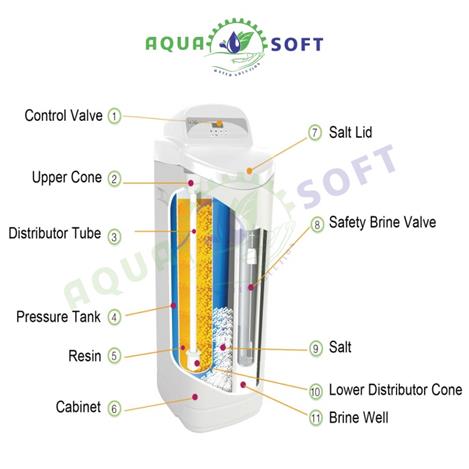
Uses up to 75% less salt and 64% less water
Compared to conventional calendar clock models
(Hardness, Taste & Odor Removal)
Ideal for homes on chlorinated, hard municipal water This one-of-a-kind combination system offers the same high-quality product water of having separate softener and carbon filtration units in a space saving, one-unit design.
The Aqua Soft will remove hardness and bad taste and odor caused by chlorine, chloramines or organic matter.
Coming Soon